
HERE’S WHAT HAPPENED.
THE PATH CHANGED
During my senior year of high school, I tore my ACL in the state semifinal. I entered Florida International University on a full soccer scholarship but arrived injured and redshirted. I eventually left Miami, returned to Texas and transferred to Northwood on another scholarship. The injury disrupted the path, but it did not take the choice away from me. I still had an opportunity to continue; by then, soccer was no longer the center of my life. When Northwood’s coach told me the scholarship depended on playing, I told him to take it.
That choice did not take me somewhere better. I turned toward fitness, fast money and selling drugs. I walked away from the future I had spent my life building. I chose money, attention and the life I thought I wanted. It would take years for me to understand that changing direction is not the same as moving forward.
WARNINGS I CHOSE TO IGNORE
The lifestyle became dangerous quickly. Guns were pulled on me five times. At 19, during an attempted robbery, I was on my knees with one gun against my forehead and another against the back of my head. Those incidents were warnings. I kept walking away alive and confused survival with control.
A woman called me and said she had met me the night before at club. I did not remember her, but she knew details only someone who had been there would know. We met for lunch, and she asked for drugs. I denied knowing what she meant and cut off contact. A month later, two of my guys called me from jail. Shortly after they got out, they confirmed she was the undercover officer who had busted them. After I blocked her, she had gone after them instead, hoping their arrests would lead back to me. That was enough for me to stop selling, step back from the attention around me and start a landscaping company to lay low. The company lasted about six months. Once the immediate danger passed, I drifted back toward the same choices.
Not long after, a guy at a bar was so drunk he fell asleep against me. I pushed him off, and he reacted by hitting me in the face with the glass in his hand. We fought. The glass cut through two layers of skin and tore the facial muscle underneath. I needed 77 stitches and months to recover. It was another warning inside a life already filled with them, but it did not change my direction for long.
THE FIRST FELONY
At Lake Lewisville, game wardens swarmed in on their boats from every direction at Party Cove. My backpack, which contained drugs, had been passed from boat to boat while a game warden on shore tracked it through binoculars. Someone had clearly tipped them off. After officers recovered it, they took a group of us onto their boats and threatened to arrest everyone if nobody claimed it. I admitted it was mine and took the charge, even though it had been meant for all of us.
I was 22 years old when I received ten years of deferred-adjudication probation and served 90 days in jail.
ANOTHER CHANCE I CHOSE TO IGNORE
A few months later, NBC recruiters approached me at a club and cast me on a reality television show. We filmed in Beverly Hills, and I remained under contract with NBC for three years. It was a glimpse of a legitimate future that looked completely different from the life I had been living.
After filming, I bought a nutrition store inside a Gold's Gym. I later sold it and started a moving company.
While I was operating the moving company, I was at a bar when I saw a man yelling at a woman. I walked over and told him to leave her alone. He started yelling at me, and I head-butted him and knocked him out.
As I walked toward a side exit, a police officer was standing outside. There was blood on me, so he stopped me while he figured out what had happened. I was arrested for assault causing bodily injury.
Because the arrest violated my felony probation, I agreed to serve another 90 days in jail rather than have my probation revoked, provided I was not convicted of the original assault charge. I took the case to trial, where the jury hung 5–1 in favor of not guilty. Rather than retry it, the case was plead to simple assault with payment of the hospital bills and 1 year probation.
I served the 90 days and went back to running the moving company. I still did not change the larger pattern.
The company did well until the financial crisis crashed the housing market and devastated the moving industry. Under financial pressure, I returned to partying and selling drugs, the same fallback that had already cost me a felony.
THE DECISION THAT LED TO PRISON
A friend was set up and sold drugs to an undercover officer. The undercover asked for a larger quantity, so my friend called me. I drove it to him, even though that wasn't something I normally did. The drugs remained in my trunk while we walked into a gas station. The moment I opened the door to walk back outside, SWAT swarmed in from every direction.
I knew immediately it was over. I had already violated probation once and been given a second chance. This time, I knew my probation would be revoked, and I knew I was going to prison.
For eight months, I lived with a felony warrant hanging over my head. My days were numbered. I stayed under the radar, moved from hotel to hotel, and kept living the same way because I felt like I had nothing left to lose. I knew what was waiting for me, and at one point I seriously considered leaving the country rather than facing it.
Eventually, I stopped running and turned myself in.
Because this was my second felony drug conviction, the judge enhanced the new case, which raised the punishment range to 15 years to life. I received the minimum sentence of 15 years. My original probation was also revoked, and I ultimately received another 15-year sentence to run concurrent.
At first, I focused on everything around the arrest instead of the choices that had placed me there. Eventually, I accepted the truth: the arrest was not the beginning of the problem. It was the consequence of a life I had continued choosing despite every warning.
I do not tell this part of my story because prison is cool or impressive. It is not. If your choices take you there, you have lost. I talk about it because I dismissed a long line of red flags, and someone else may still have time to recognize theirs before the consequences become permanent.
MY LOWEST POINT
At first, prison was about survival, parole eligibility, and getting home. Day after day, I listened to inmates explain why they were there. It was always someone else's fault. The constant excuses got old fast. The more I listened, the more I wanted away from that mindset. I didn't want to spend the rest of my life explaining away my circumstances or blaming other people for decisions I had made.
I wasn't focused on changing my life at that point. I was focused on getting out and making sure I never came back.
Six months into my sentence, a lieutenant told me my father had passed away from heart failure. Years earlier, my father had slid a note under my door. He recognized the direction I was headed because he had lived through difficult chapters of his own, and he begged me to stop. I ignored him.
The last time I saw him, he sat across from me behind prison glass and said he felt that he had failed as a father. I told him he had been an amazing father and that my choices belonged to me. He passed away within a month.
When I returned to the dorm, I lay face down and cried. Men from different backgrounds and gangs gathered around me to pray. My father was gone. I couldn't change that. I couldn't go back and talk to him one more time. I couldn't tell him he was right. All I could do was decide what I was going to do with the time I had left.
I made parole on my first review, but my projected release was still one year away. I used that final year to build the plan for Invoke Moving.
While I was locked up, I started thinking seriously about how my story could help someone else recognize the cost of ignoring red flags and choose a different direction. At that point, it was only an idea. The real work had to begin with how I lived after release.
REBUILDING FROM THE BOTTOM
I served three years. When I was released, I started Invoke Moving immediately, secured an office and bought two trucks. I was married, my daughter was on the way, and I had already decided what I was going to build. There was no period of figuring out what came next. I had spent my time in prison preparing for it.
Before I went to prison, I invested a substantial amount of money with one of my best friends in a joint venture. The idea was that when I came home, I would have something working in my favor and a head start on rebuilding. Instead, after I received a 15-year sentence, he apparently believed I would not be around to do anything about the money.
I poured everything into Invoke, added trucks as the company grew and continued expanding the operation. Within two years of my release, I bought a house. I then purchased and renovated commercial property and created a real-estate holding. That rebuild continued for nearly a decade.
Before Invoke, I had already built businesses and spent nearly a decade operating in a world where money, trust, negotiation, risk and consequences were constant. I already knew how to operate. What changed was the foundation I was building from—one centered on stability, responsibility and what came next.
The dispute over the investment turned into a three-year lawsuit. I stayed with the legal process and ultimately recovered the full amount along with my attorney fees. Earlier in my life, being betrayed by someone that close to me would have brought out a very different response. This time, I handled it through patience, process and strategy.
FATHERHOOD, DIVORCE AND THERAPY
When my daughter was three, I went through a divorce. On the first day I returned to an empty
house without her, I cried for hours. For months, I used every opportunity available to see my daughter every day, including days outside my possession schedule with 24 hour right to possess clause.
A therapist I had begun working with before the divorce challenged whether I was making the decision that best served my daughter or simply relieving my own pain. She needed routine and predictability. Accepting that opposing view was difficult, but it was right. Being a father will always be my greatest accomplishment.
I worked with that therapist weekly for about five years, and the work didn't stop there. The value was never motivational language. It was accountability, honest conversation
and someone willing to challenge my interpretation. That experience shaped my belief that confronting reality, making a better decision and following through is real work.
ANOTHER DELIBERATE PIVOT
By February 2022, the housing market was already in recession. Rising rates had locked many homeowners into low-rate mortgages they did not want to give up, home-sales growth had turned negative, and the moving industry felt it directly. I had seen the downturn coming. Having already watched one housing crash take down my first moving company, I was unwilling to let Invoke continue bleeding money simply to avoid closing a business I had spent nine years building.
This time, I chose the redirection before circumstances forced it. I closed Invoke, sold the company’s assets and my commercial real estate holdings, then shifted my full-time focus to managing my private investment portfolio and trading options. That remains my work today
and requires a different kind of discipline: staying objective, controlling risk and adapting as the market moves.
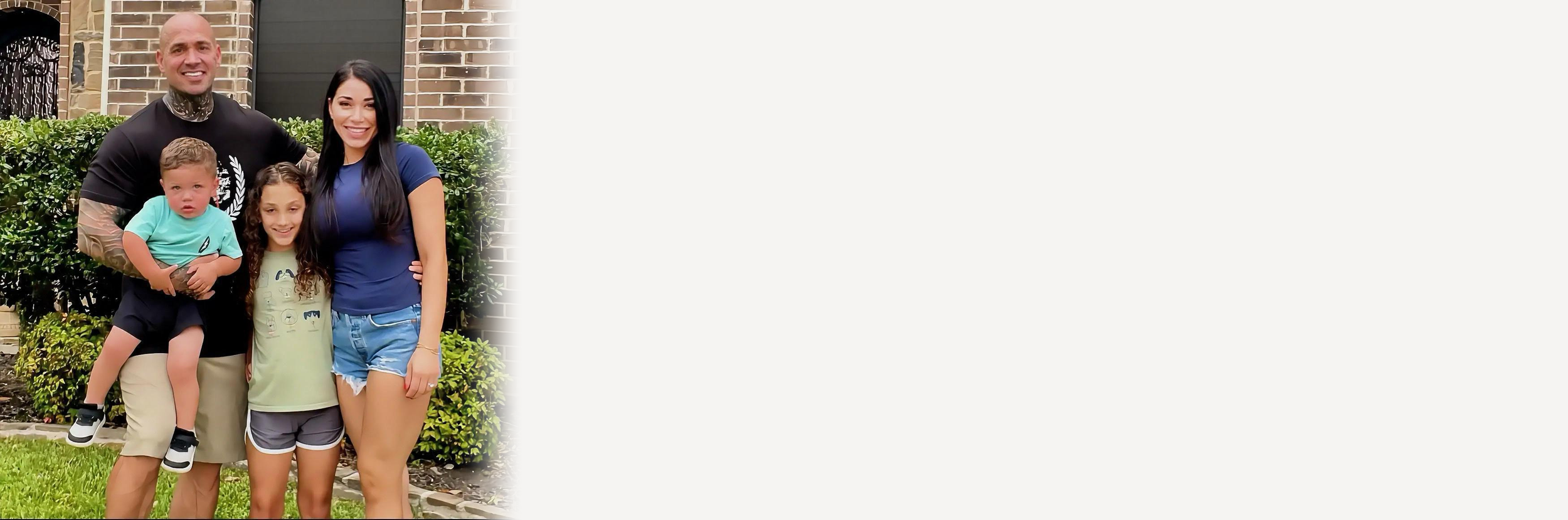
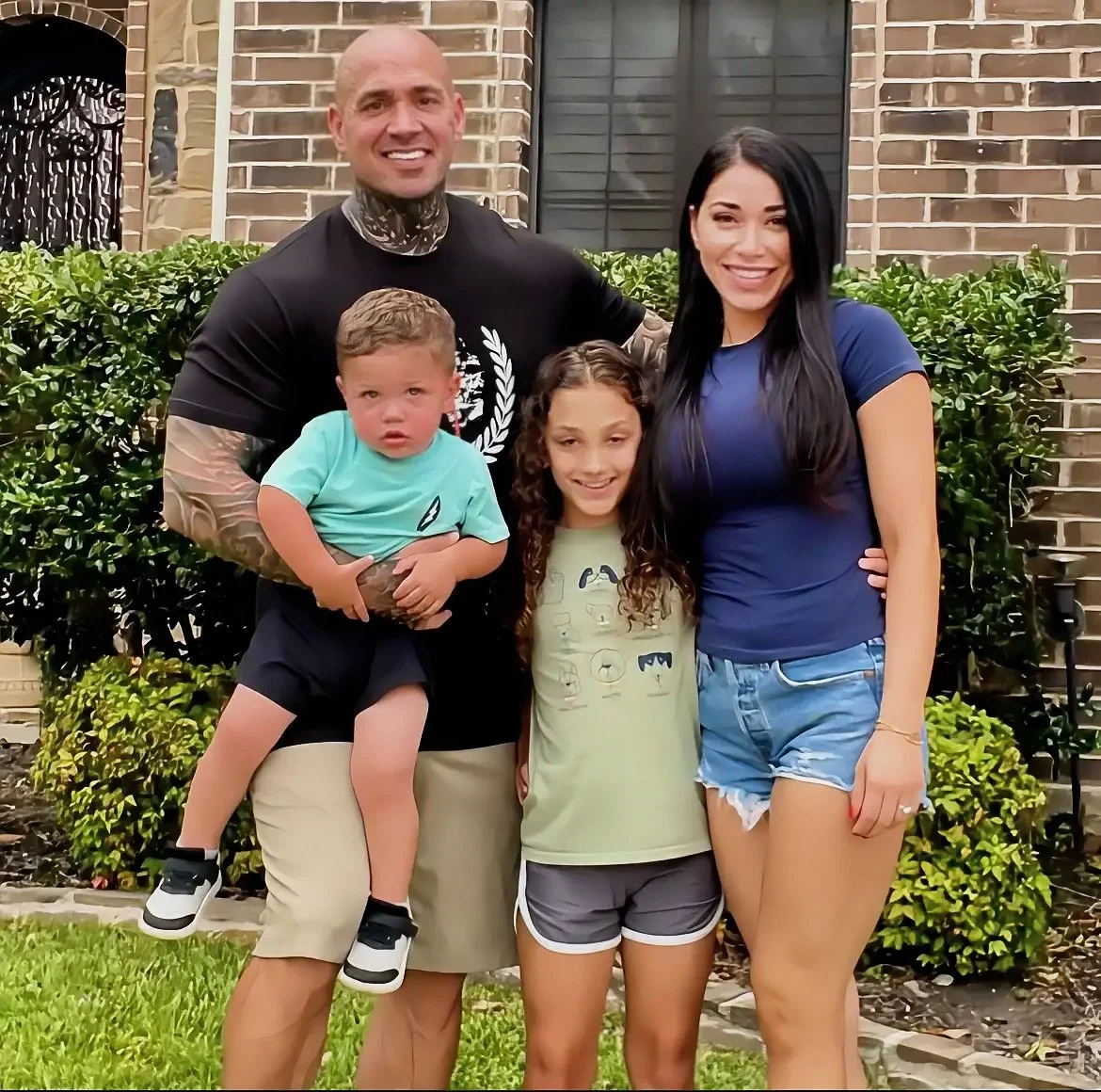
I remarried, and today I am a husband and father of two. I still get things wrong. What has
changed is the way I make decisions—with intention, responsibility and a much clearer understanding of what those decisions can set in motion.
HALF MY LIFE
Looking back today, there is one realization that still stops me in my tracks. I received my first felony at 22 years old. At 44, I finally discharged it.
Twenty-two years.
During those same years, I built businesses, owned commercial real estate, became a husband and father, lost people I loved and kept rebuilding. My life kept moving forward while the consequence remained.
But I also believe God can use every chapter for a purpose beyond me. I would not change the path that brought me here. It created who I am, and I refuse to waste what it taught me. A decision made in a moment can set consequences in motion that last for decades. That is not a lesson I learned in theory. It is a consequence I lived.
WHY THE CODE EXISTS
The idea that began while I was locked up stayed with me, but I knew it had to be earned through how I lived after release.
THE CODE is not built around telling a client what his life should become. The client chooses the destination. My role is to help him understand his current reality, identify what must change, and build a strategy around where he wants to go.
Sometimes that means correcting a path before consequences get worse. Other times, nothing is broken; the client has simply reached a point where what comes next requires a clearer strategy.
My story does not prove that I have every answer. It proves that I understand what it means to ignore red flags, lose direction, face consequences, rebuild from the bottom and redirect again when life changes.
I used to define success mostly by what I could build, buy or reach. I still value achievement, but faith, family and character have changed the way I look at success and at my life.
IF YOUR NEXT
DECISION MATTERS
Start with the inquiry. Tell THE CODE what you’re facing and what you want to accomplish.